Find the right game,
then play the demo.
FastGamesAPI creates original games, instant formats, table games, themed slots and arcade experiences, then delivers selected titles through its RGS. Play the public demos before reviewing how the operator connects its player session and wallet.
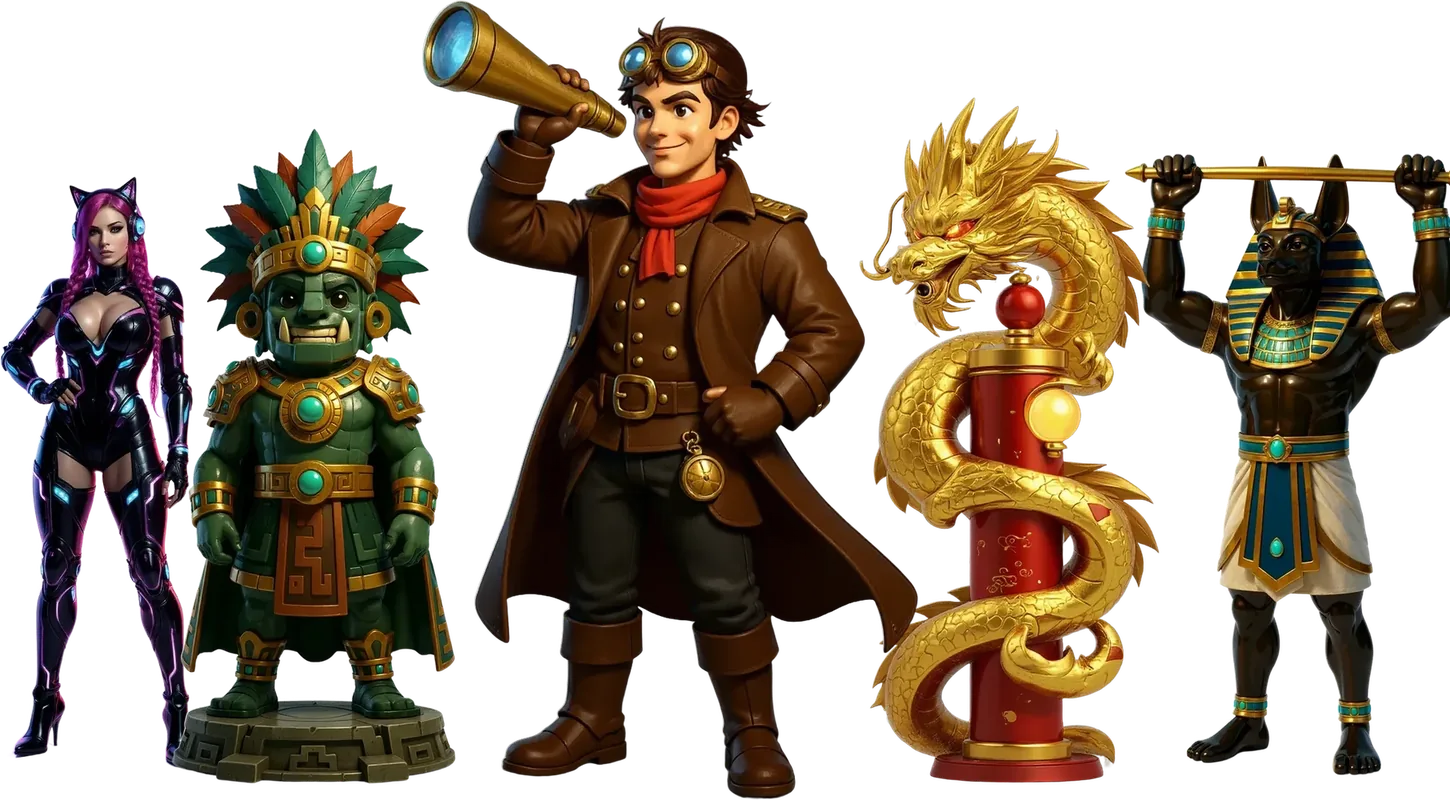 Original characters · in-house art
Fast games with clear player decisions.
These original and instant titles create different player moments. Their demos show the current client; their detail pages explain the round and wallet responsibilities around it.
Dice API
A direct target-and-side game with an immediate result and a compact interface that works naturally on mobile.
Original game
Plinko API
A drop game in which the player chooses the board setup and follows the ball to a clearly displayed landing result.
Crash format
Crash game API
A rising-multiplier format built around timing, a visible active state and one final recorded result.
Original game
Limbo
Open the playable client to review its controls, feedback and complete on-screen round flow.
Original game
Coin Flip
See the visible choice, action and result states together in a concise browser experience.
Original game
Mines
Explore the current board, exposed controls and changing round feedback in the guest demo.
Table game
Blackjack
Review the table presentation, available actions and completed-round feedback in the playable client.
Table game
Baccarat
Inspect the table composition and follow its visible deal and result states in the guest client.
Original game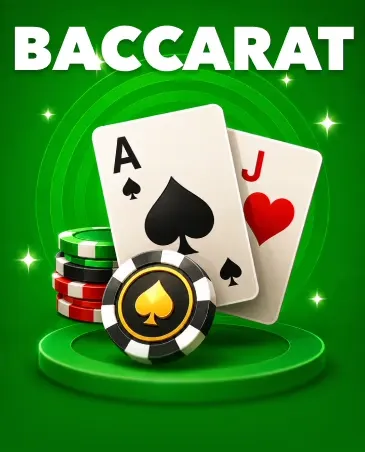
Hi-Lo
Review a repeatable comparison prompt, player choice and on-screen reveal.
Character-led original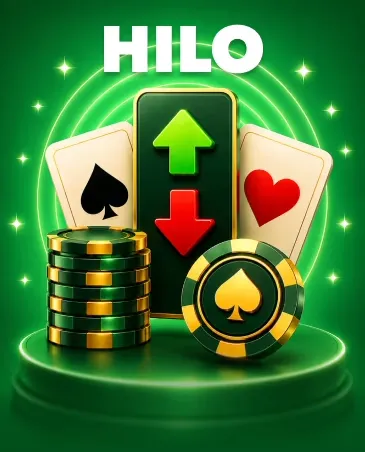
BitKong
See the mascot, playable controls and animated round feedback working together.
Card game
War
Follow a compact card presentation from the ready state through reveal and outcome.
Card game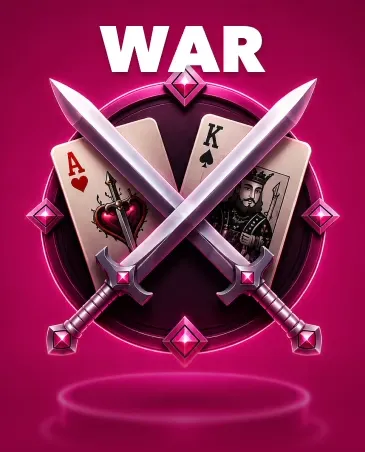
Red or Black
Assess a compact choice-and-reveal client and its visible result feedback.
Dice game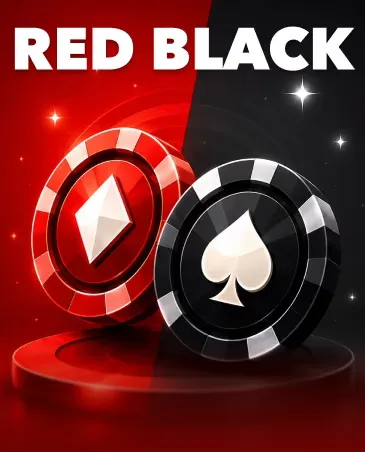
Barbut
Inspect the current dice-table layout, controls and completed-round presentation.
Table game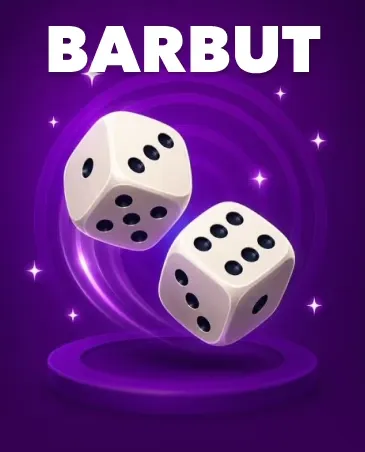
Kilic
Review a distinctive table identity alongside the playable controls and state changes.
Original game
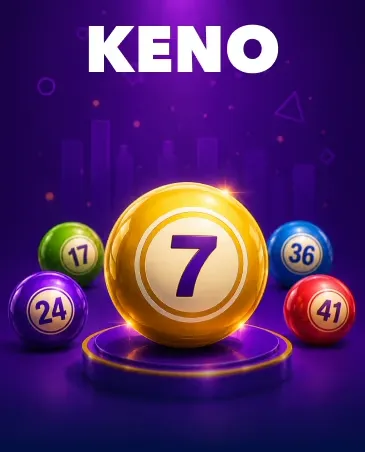
Keno
Explore the current number board, selection interface and result view.
Character-led slot worlds, ready to play.
Each featured slot has its own setting, characters, sound and celebration style. Open a title to see the game in motion rather than judging it from a catalogue thumbnail.
Aztec Gold
Carved stone, golden symbols and an idol-led celebration turn the reels into a cinematic temple adventure.
Character-led HD showcase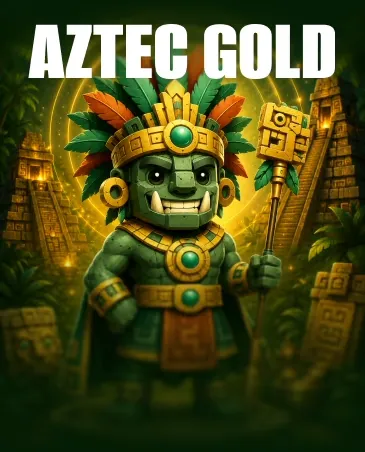
Sky Corsairs
An airborne pirate crew, moving sky backdrop and treasure-chest celebration give this slot a lively adventure identity.
Bright candy world
Candy Slots
Glossy sweets, playful shapes and a gold-and-gem celebration create a colourful slot with an easy-to-recognise theme.
Egyptian adventure
Egyptian Slots
Pharaohs, temple architecture and a storm-like celebration bring a familiar Egyptian theme into a modern browser game.
Neon science fiction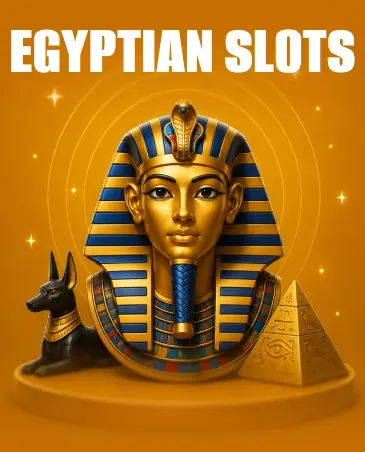
Cyber Slots
Electric-blue lighting, helmet imagery and a dark reel field build a compact futuristic game world.
Classic American diner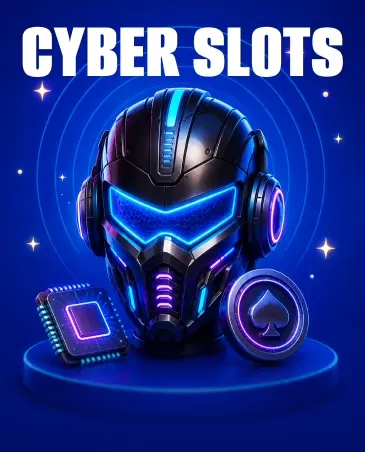
Retro Diner
Jukeboxes, chrome seating, checkerboard floors and milkshake colours shape a nostalgic diner experience.
Red-and-gold fantasy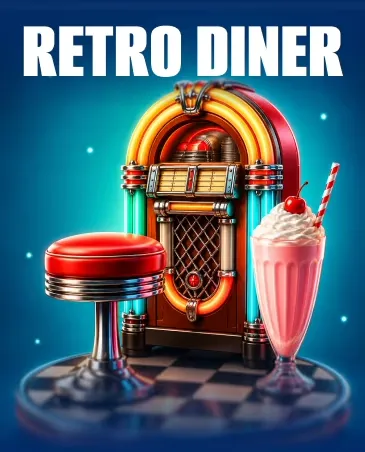
Dragon Dynasty
A commanding golden dragon anchors a richly coloured dynasty setting around the reels.
Frozen fruit classic
Frost Slots
Familiar fruit symbols meet ice, frost and a deep-blue backdrop in a cold-weather take on a classic slot style.
Classic fruit slot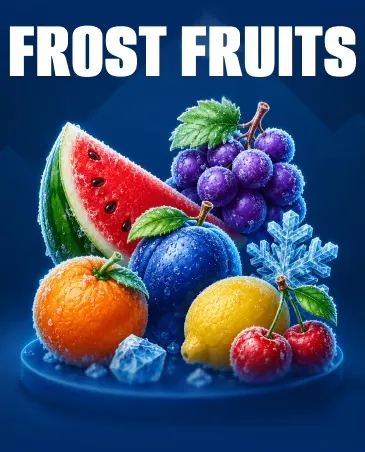
Fruit Slots
Sevens, cherries, plums and watermelon deliver a familiar, bright reel experience with an arcade-like energy.
Underground treasure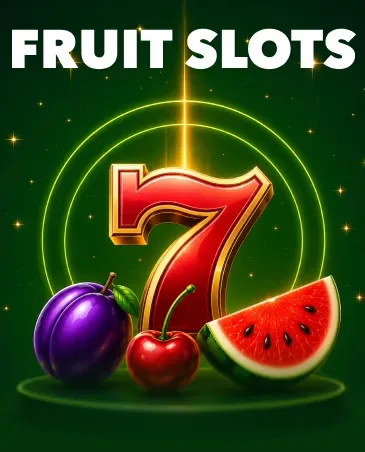
Gem Mine
Red crystals, golden highlights and a dark tunnel surround the reels with a jewel-filled mine setting.
Playful spooky theme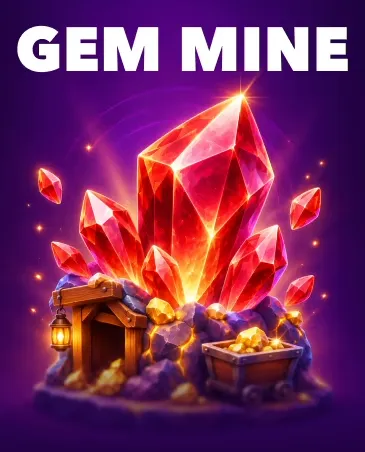
Graveyard
A friendly ghost, moonlit trees and green lantern light create a playful night-time world rather than a horror setting.
Tropical island theme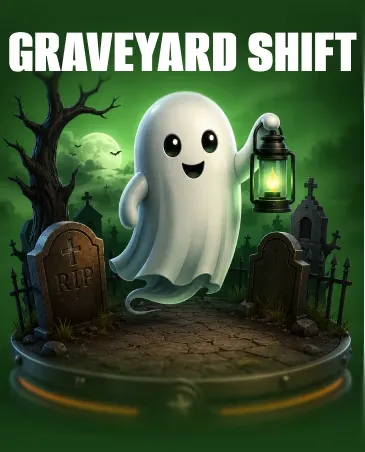
Tiki Slots
Carved masks, surf details, fruit and flowers bring an easygoing island identity to the reels.
Underwater fantasy
Atlantis
A crowned ocean king, gold armour and a crystal-tipped trident define a deep-blue maritime world.
Lamp-and-palace fantasy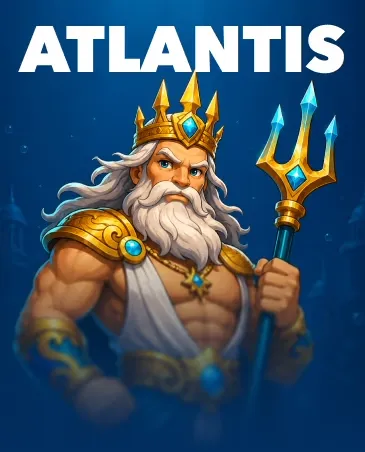
Genie
A smiling blue genie rises from a golden lamp in violet light before a night-time palace skyline.
Colourful cosmic theme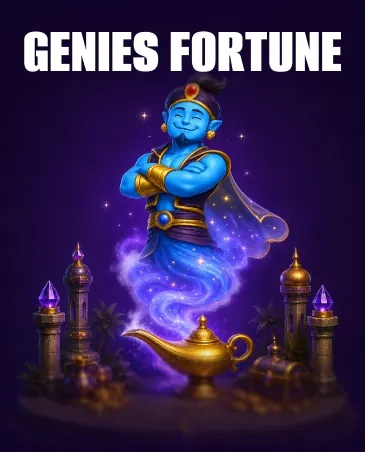
Space Slots
A retro rocket, bright planets, an astronaut helmet and an asteroid fill a purple star field.
Wetland theme
Duck Slots
A flying mallard rises through a splash between reeds in a vivid orange wetland portrait.
Tropical pirate theme
Pirate Slots
An eyepatched skull, treasure-chest reel cabinet and black-sailed ship create a bright seafaring portrait.
Norse warrior theme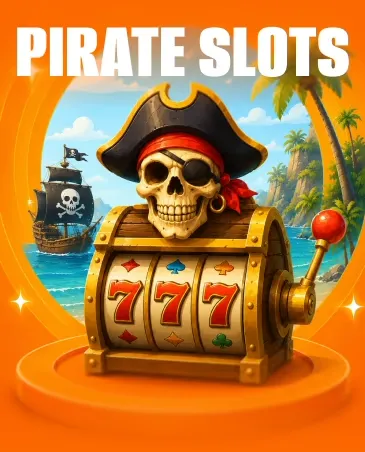
Norse
A red-bearded warrior carries an engraved axe and round shield beside a striped longship.
Shadow samurai theme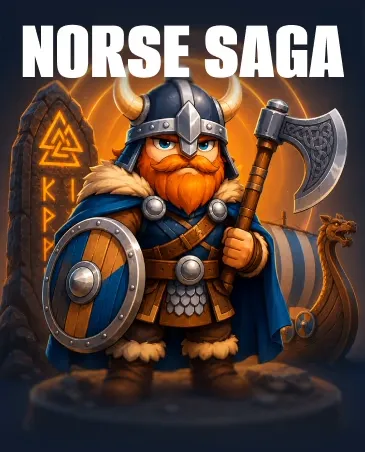
Samurai
A red figure in dark layered armour raises a blade against concentric violet light.
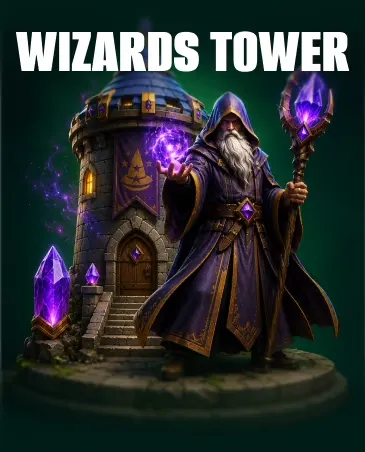
Crystal wizard theme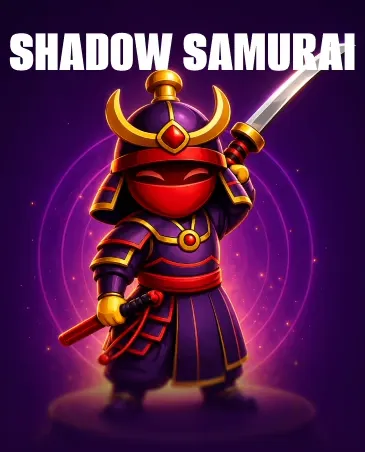
Wizard
A hooded spellcaster, violet crystal staff and glowing orb stand before a compact stone tower.
Choose the games first, then test the full round.
Operators can shortlist the formats that fit their lobby and audience. Aggregators can choose a representative supplier game set for their downstream integration. Both receive the selected titles through the FastGamesAPI RGS.
Begin with a small set that covers different behaviours: a straightforward turn-based game, a configurable board format, a time-sensitive game and one or two slots. That mix reveals more about the integration than repeating the same test across similar titles.
- Open the browser demo and check the normal player flow.
- Confirm the game identifier and configuration used in testing.
- Test wallet, retry and interrupted-session behaviour.
- Agree the selected catalogue and commercial scope in writing.
Continue with the shared game testing criteria and use the pricing page to prepare a scoped proposal.