Original games.
One RGS integration.




FastGamesAPI creates casino games and delivers them through its own Remote Game Server. Operators and aggregators connect their player sessions and existing wallet, while our RGS runs the game round and returns a traceable result.
Games built to be played, not just listed
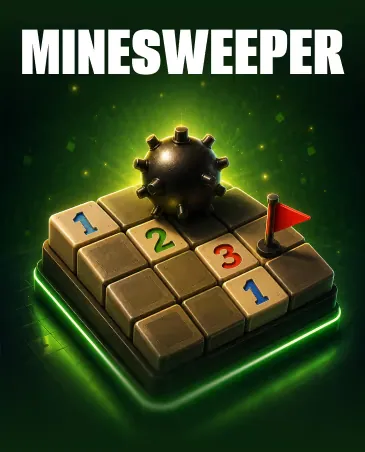
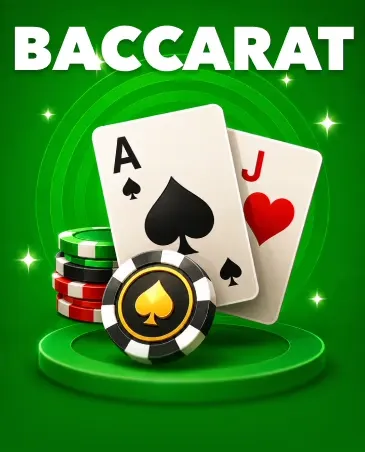
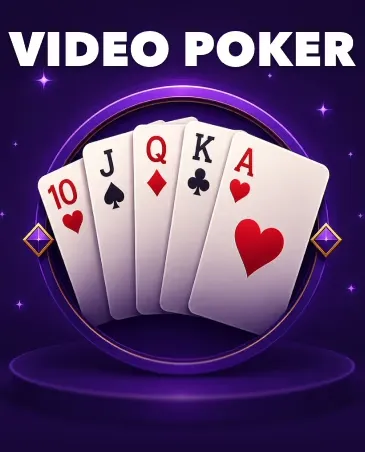
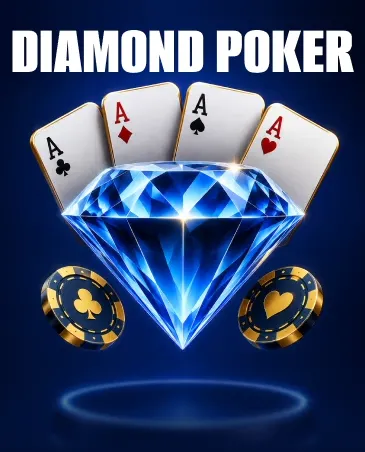
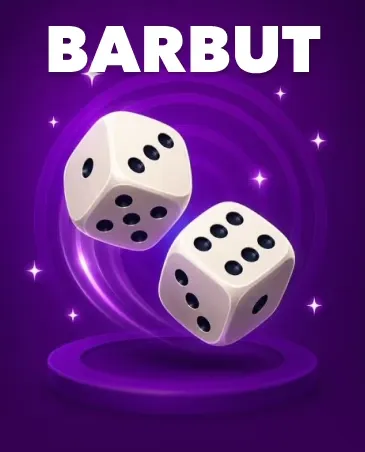
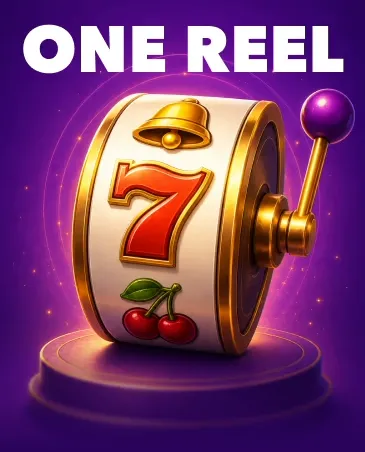
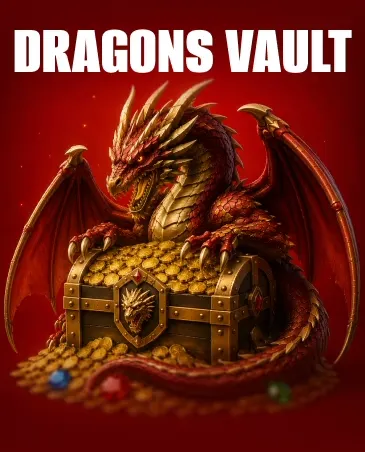
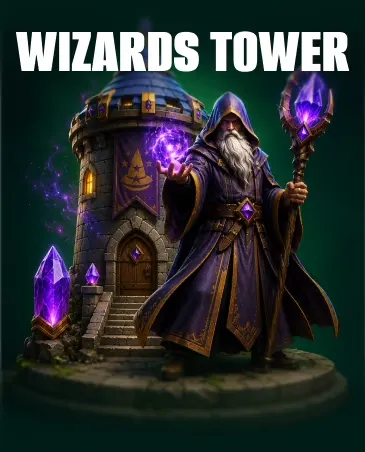
Explore FastGamesAPI originals, crash and mine formats, table games, slots and arcade titles. Open a LIVE card to play the public demo and see the current game client in your browser.

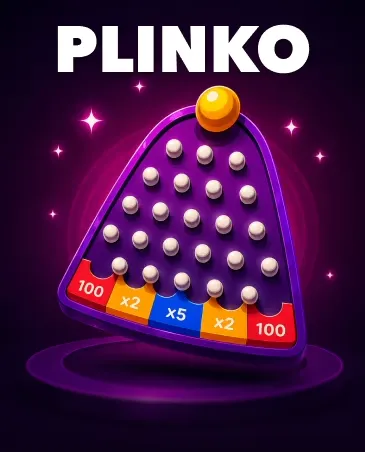
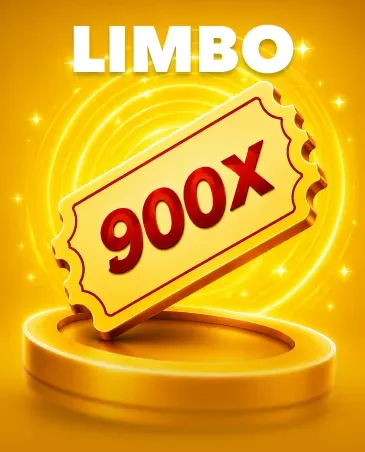


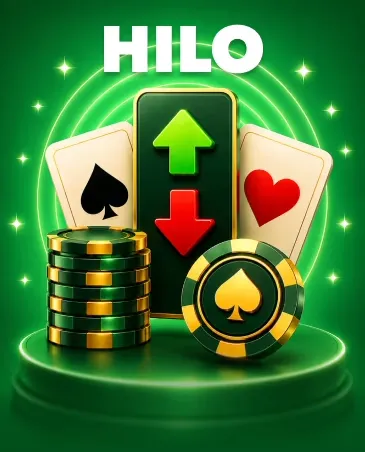
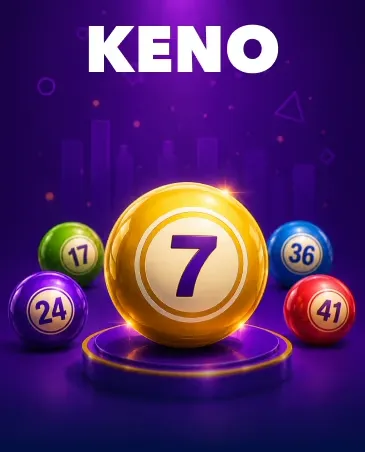


















































Games and the RGS that delivers them
You work with one supplier for the game catalogue and the Remote Game Server layer around each game round.


FastGamesAPI game catalogue
Choose from original games, instant formats, table games, slots and arcade experiences. Public demos let product teams see the current presentation before integration work begins.
Remote Game Server
The RGS connects the authenticated player session, selected game, game state and final round record. The same delivery model supports the selected catalogue.
Your wallet remains authoritative
The operator keeps the player balance in its existing wallet. The integration defines how a game round requests and receives one final financial result.
Traceable round handling
Stable session, request, round and transaction identifiers make normal play, retries and support cases easier for both teams to follow.
Browser-ready game clients
Players open the game client from the operator experience. Product teams can test presentation and responsive behaviour through the public demos first.
Round verification where supported
Supported game formats expose the inputs needed to connect a recorded result with a repeatable verification flow. Verification and wallet reconciliation remain separate checks.
Sandbox and acceptance testing
Test representative games, wallet responses, duplicate requests, timeouts and reconnection before the production scope is accepted.
A scoped operator rollout
The written proposal names the enabled games, environments, commercial model, support route and any operator-specific work required for launch.
From game selection to production
Choose a representative game set
Start with different round behaviours: a simple original, a timed format and one or two slots that fit the intended lobby.
Connect sessions and wallet responses
Agree the identity, currency precision, request replay and final settlement behaviour between the RGS and the operator wallet.
Test, scope and approve production
Run normal and failed-round cases, resolve ownership questions and confirm the selected games, environments and support model in writing.
Verification should be repeatable
For supported formats, the verification flow connects what was fixed before play, the round inputs and the final result in a form another person can reproduce.
Commit
Record the pre-play commitment and the round identifier before the player action is resolved.
Play
Keep the player input, active configuration and any counter or nonce required by the documented calculation.
Reveal & verify
Use the revealed value and documented method to reproduce the result, then match it to the displayed and settled round.
A proposal built around the actual rollout
Commercial terms should describe the same games, environments, responsibilities and support path that product and engineering approved.
Name what is being supplied
Define the operator or aggregator relationship before comparing a price.
- Selected games and environments
- Wallet and integration responsibilities
- Included support and release handling

Define the charging model clearly
The current proposal should state how fees are calculated and which records control billing.
- Charging basis and measurement period
- Optional work and change control
- Validity period and reconciliation route

Ready to evaluate the
games and the RGS?
Play the public demos, choose a representative game set and bring your wallet and session requirements into a technical discussion.